

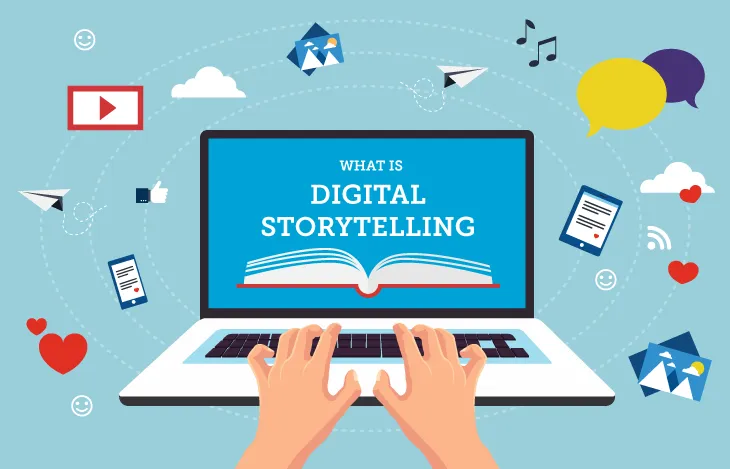
Digital Storyteller is a phrase that defines the modern art of communication. In today’s world, where content floods every platform, the ability to tell a story digitally has become a superpower. A Digital Storyteller doesn’t just share information—they weave narratives that inspire, connect, and influence audiences across the globe.
Think about scrolling through social media and stopping at a video that feels personal, authentic, and moving. That’s the work of a Digital Storyteller. They transform ordinary messages into experiences, blending creativity with technology to make stories unforgettable.
The Rise of the Digital Storyteller
Storytelling has always been part of human culture, but the digital age has amplified its reach. The Digital Storyteller emerged as a response to the overwhelming amount of content online. Instead of simply posting, they craft narratives that cut through the noise.
From YouTubers sharing life journeys to brands creating emotional campaigns, the Digital Storyteller has become the bridge between information and emotion. Their rise reflects our need for connection in a fast‑paced, digital‑driven world.
Why Being a Digital Storyteller Matters
The importance of being a Digital Storyteller lies in impact. Stories influence emotions, decisions, and even behaviors. A well‑told digital narrative can make a brand memorable, a cause relatable, and a message powerful.
Consider a nonprofit organization. Without storytelling, it’s just another charity. But with a Digital Storyteller creating videos of real people impacted by donations, the cause becomes humanized. Donors don’t just give money—they feel part of a story.
Skills Every Digital Storyteller Needs
To thrive as a Digital Storyteller, one must combine creativity with technical expertise. It’s not enough to have ideas; the craft requires a toolkit of skills.
Narrative Crafting
Every story needs structure. A Digital Storyteller knows how to build a beginning, middle, and end that keeps audiences engaged.
Visual Communication
Images and videos are central to digital storytelling. Understanding composition, color, and design principles ensures stories are visually compelling.
Platform Awareness
Each platform has its own language. A Digital Storyteller adapts narratives for Instagram, TikTok, YouTube, or blogs, ensuring maximum impact.
Authenticity
Audiences crave realness. A Digital Storyteller builds trust by being genuine, relatable, and transparent in their storytelling.
Digital Storyteller in Social Media
Social media is the stage where the Digital Storyteller shines. Platforms reward content that resonates emotionally. Aesthetic feeds, engaging reels, and heartfelt captions attract followers, engagement, and opportunities.
Take Instagram stories, for example. A true Digital Storyteller uses them not just to share updates but to create mini‑narratives. Each frame builds on the last, forming a cohesive story that keeps audiences hooked.
Real-Life Example: The Power of Digital Storytelling
Consider Alex, a small business owner. His brand struggled to stand out until he embraced his role as a Digital Storyteller. He began sharing behind‑the‑scenes videos, customer testimonials, and personal reflections. Within months, his audience grew, and sales increased. People weren’t just buying products—they were buying into his story.
Alex’s journey shows how becoming a Digital Storyteller can transform careers and businesses. It’s not just about content—it’s about connection.
Challenges of Being a Digital Storyteller
The journey isn’t always easy. Digital Storytellers face challenges like content saturation, algorithm changes, and the pressure to constantly innovate. Staying authentic while keeping up with trends is a balancing act.
Yet these challenges push Digital Storytellers to grow. They adapt, experiment, and refine their craft. In doing so, they remain relevant in a fast‑paced digital world.
Future of the Digital Storyteller
The future of the Digital Storyteller is exciting. With AI, VR, and AR, storytelling will become more immersive. Imagine narratives where audiences don’t just watch—they participate. The Digital Storyteller of tomorrow will be part artist, part technologist, and part strategist.
Their influence will extend beyond social media into education, marketing, and even activism. The ability to tell stories digitally will remain one of the most powerful tools of communication.
Becoming a Digital Storyteller Today
Starting as a Digital Storyteller is simple. Begin with your own experiences. Share authentic stories on platforms you love. Experiment with visuals, captions, and formats. Over time, you’ll find your voice and style.
The best Digital Storytellers don’t just follow trends—they set them. They understand that storytelling isn’t about perfection; it’s about connection. When your narratives resonate with people, you’ve succeeded as a Digital Storyteller.
