

Uneven skin tone, dark patches, and stubborn pigmentation are among the most common dermatological concerns in Dubai. Constant sun exposure, hormonal changes, acne scars, and environmental stressors trigger excess melanin production, leading to visible discoloration. While makeup may temporarily conceal dark spots, professional treatments address the root cause and restore a brighter, more even complexion.
Understanding Different Types of Pigmentation
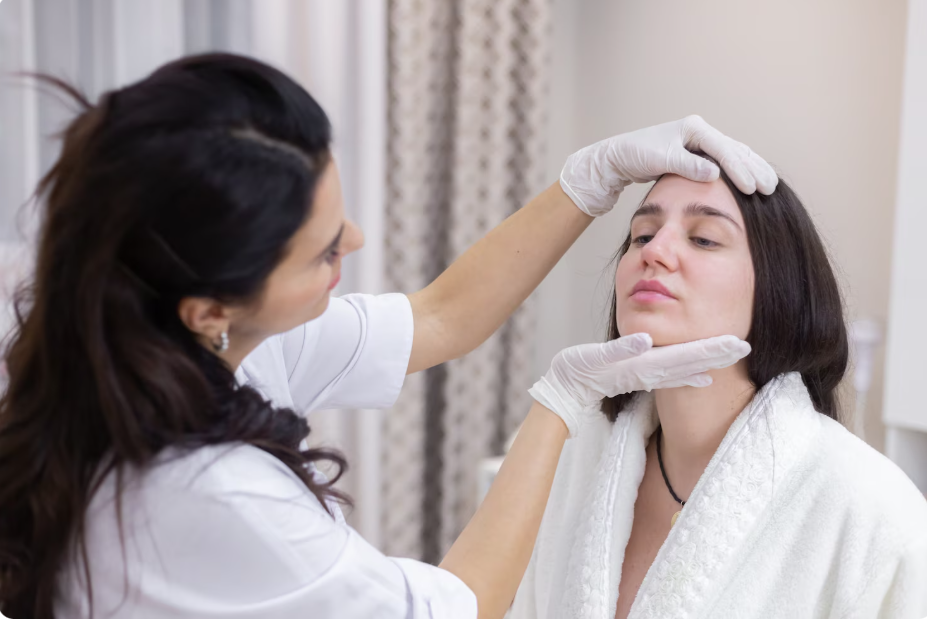
Effective treatment begins with identifying the type of pigmentation: Melasma (hormone-related brown or gray patches), Sunspots caused by UV exposure, Post-Inflammatory Hyperpigmentation (dark marks after acne or injury), and Freckles that intensify with sunlight. Each type requires a customized protocol. Misdiagnosis can delay results or worsen the condition. Consulting a clinic specializing in Pigmentation Treatment in Dubai ensures proper skin analysis and a medically guided plan tailored to pigment depth and skin type.
Why Pigmentation Worsens in Dubai
Dubai’s climate significantly contributes to pigmentation concerns due to high UV levels throughout the year, heat-triggered melanin stimulation, outdoor lifestyle exposure, and reflective surfaces such as sand and buildings. Without consistent sun protection, pigmentation can quickly return even after treatment.
Advanced Pigmentation Removal Treatments
Laser therapy is one of the most effective solutions. It works by targeting excess melanin deposits and breaking them into smaller particles that are naturally eliminated by the body. Benefits include precise targeting, minimal damage to surrounding tissue, gradual brightening, and improved skin clarity. Clinics offering Laser Skin Rejuvenation in Dubai often combine pigment-focused lasers with collagen stimulation to enhance overall skin texture.
Chemical peels are another effective option. Medical-grade exfoliating solutions remove pigmented surface layers and accelerate cell turnover, making them ideal for mild melasma, acne-related marks, uneven tone, and dull skin. Multiple sessions are typically required for visible improvement.
Medical-grade topical treatments containing Vitamin C, retinoids, tranexamic acid, and azelaic acid help regulate melanin production and reduce recurrence. These are often part of long-term maintenance.
Melasma: A Special Consideration
Melasma is particularly challenging because it is influenced by hormones and heat exposure. Triggers include pregnancy, birth control pills, stress, and UV radiation. Aggressive treatments may worsen melasma if not carefully controlled. Gentle, progressive therapy supervised by experienced professionals delivers safer, more stable outcomes.
Importance of Sun Protection
No pigmentation treatment will succeed without strict sun discipline. Daily SPF 50 application, reapplication every few hours, protective clothing, and avoiding peak sun exposure are non-negotiable steps in preventing recurrence and maintaining results.
Treatment Timeline & Expectations
Mild pigmentation may improve within 2–3 sessions, while moderate to severe cases may require 4–6 sessions or ongoing management. The goal is gradual brightening and stabilization rather than rapid whitening. Realistic expectations are crucial for long-term satisfaction.
Final Thoughts
Pigmentation can be effectively managed with structured care and advanced dermatological technology available in Dubai. With accurate diagnosis, customized laser protocols, and consistent sun protection, clearer and more even-toned skin is achievable. The key lies in patience, expertise, and maintenance rather than aggressive short-term solutions.
