

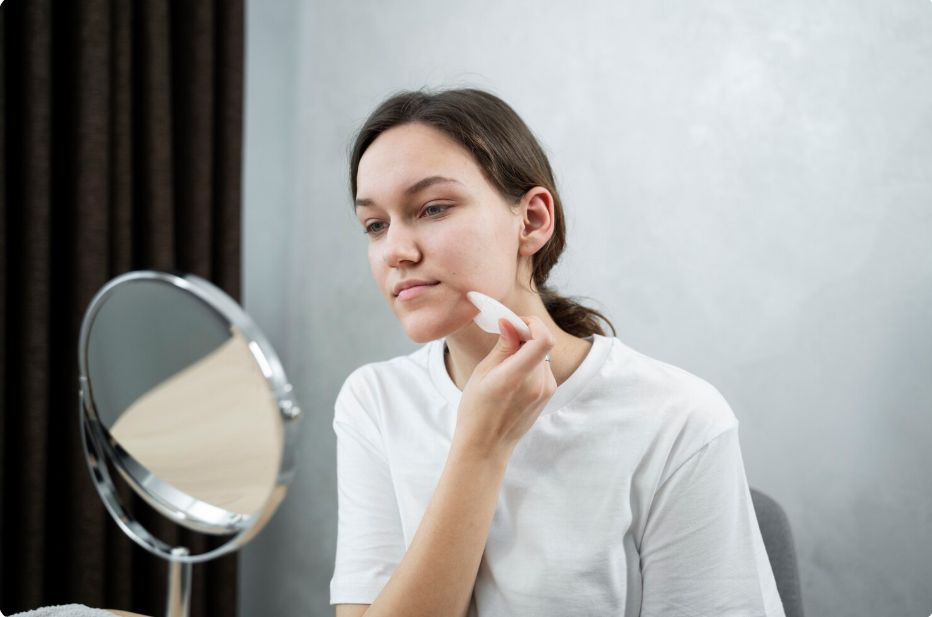
Skin elasticity is one of the most important indicators of youth and structural integrity. When skin is firm and resilient, it snaps back smoothly after movement. Over time, however, elasticity declines due to collagen breakdown, elastin fiber damage, hormonal changes, and environmental stress. Understanding the science behind elasticity loss helps in selecting targeted treatments such as PRP therapy treatment in Dubai that stimulate deeper skin regeneration.
What Causes Elasticity Loss?
The dermis contains collagen and elastin fibers responsible for structure and flexibility. Starting in the mid-20s, collagen production gradually decreases. By the 40s, visible laxity becomes more apparent due to:
-
Natural aging
-
Sun exposure (photoaging)
-
Smoking
-
Dehydration
-
Repetitive facial movement
UV radiation is particularly harmful, as it accelerates collagen degradation and weakens the skin matrix.
Early Signs of Reduced Elasticity
Common indicators include:
-
Mild sagging around the jawline
-
Fine lines that linger
-
Loss of cheek firmness
-
Crepey texture
Addressing these signs early helps maintain facial structure without aggressive interventions.
Regenerative Collagen Stimulation
PRP therapy works by introducing growth factors derived from the patient’s own blood into targeted areas. These growth factors stimulate fibroblasts — the cells responsible for collagen production. Over several weeks, dermal thickness improves, leading to firmer, more resilient skin.
Unlike temporary surface treatments, PRP works biologically within the skin layers.
Supporting Structural Definition
When elasticity loss begins to affect facial contour, structural support may be enhanced through dermal fillers treatment in Dubai. Fillers restore lost volume in areas like cheeks and jawline, improving support while regenerative therapies strengthen skin quality.
The combination ensures both immediate contour improvement and long-term collagen restoration.
Preventative Strategy
Elasticity preservation requires:
-
Consistent sun protection
-
Antioxidant-rich skincare
-
Regular hydration
-
Professional collagen-stimulating treatments
Long-Term Outlook
While aging cannot be stopped, strategic intervention significantly slows visible laxity. Gradual and consistent treatments preserve natural appearance while maintaining facial harmony.
Final Thoughts
Skin elasticity loss is a biological process, but modern regenerative therapies provide effective management solutions. By combining collagen stimulation and structural support, patients can maintain firmness and youthful contours without invasive surgery.
