

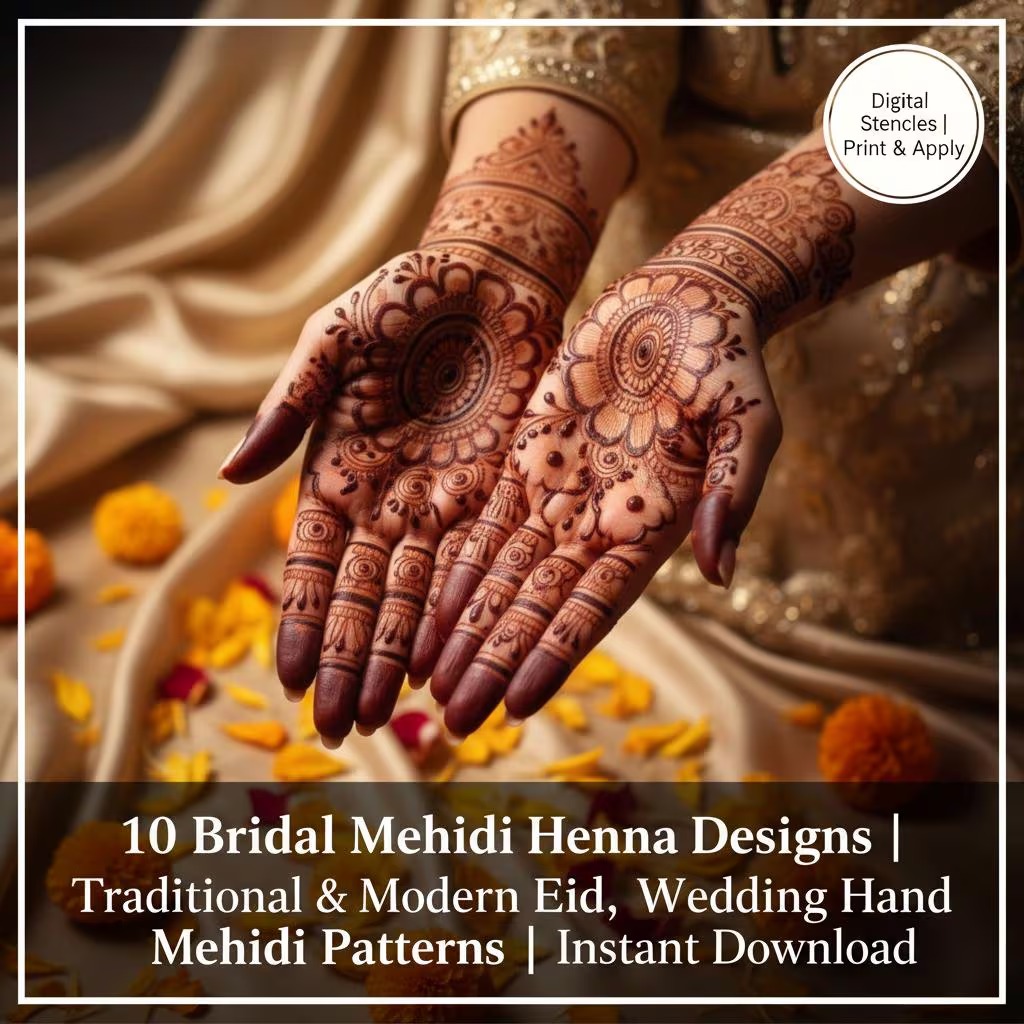
When you begin planning all the little details that make your big day truly special it quickly becomes clear that hand decorations play a much bigger role than most people initially expect in creating that perfect memorable vibe. You have to think about how everything will look together under different lighting conditions and during various parts of the ceremony because one wrong choice can throw off the entire aesthetic balance you worked so hard to achieve. It feels overwhelming at first but once you narrow down what really matters to you personally the process starts to feel a lot more manageable and even exciting in its own way.
Finding Your Ideal Mehndi Pattern
Many couples realize too late that selecting the right elements requires looking at multiple factors including skin tone compatibility and how long the design needs to last through all the festivities without fading too quickly. Professional artists often recommend starting with a basic outline before adding intricate details because this approach allows for adjustments if something does not quite match your vision during the application process itself. You should always test a small area first to check for any unexpected reactions even if you have used similar products before since individual responses can vary quite a bit from one person to another.
Choosing Designs Based on Occasion
Brides who want something more intimate for their pre-wedding events tend to lean toward lighter patterns that highlight natural beauty without demanding too much attention from the overall outfit they have selected carefully. It helps tremendously when you consider the time of day for the ceremony because brighter designs stand out better in evening lights while softer ones work wonderfully during daytime gatherings where simplicity feels more appropriate. People sometimes forget that the placement on hands or feet can influence how comfortable you feel throughout the long hours of celebrations so testing different positions beforehand makes a real difference in your final comfort level.
In recent years the focus has shifted toward creating balanced looks that incorporate both traditional elements and contemporary touches which allows for greater personalization according to individual preferences and cultural backgrounds. You might notice that certain motifs like flowers or geometric shapes appear more frequently because they adapt easily across various skin tones and hand shapes without losing their charm over time. It is worth spending extra time researching current options since trends evolve gradually and what looked fresh last season could already feel dated if you are not careful about staying updated through reliable sources.
Balancing Tradition with Modern Touches
When it comes to mehndi aesthetic design many brides discover that incorporating subtle shading techniques can elevate a standard pattern into something truly eye-catching without requiring hours upon hours of application time. Artists have developed ways to blend different consistencies of henna paste to achieve varying darkness levels which gives you more control over the final appearance once it has fully developed over the first few days. You will appreciate how these methods allow for adjustments even after the initial drying period because the color continues to deepen naturally as the paste falls away completely.
Another practical aspect involves understanding how different climates affect the drying process since humidity levels in your location can extend or shorten the required waiting time before you can wash off the paste safely. People often overlook this detail and end up with uneven results that could have been avoided with a few simple environmental adjustments during the application session itself. It makes sense to schedule your session during a time when you can remain still for at least a couple of hours afterward to maximize the pigment absorption into the skin layers effectively.
Enhancing Your Engagement Look
For those preparing for more intimate gatherings the selection process becomes even more important because the designs need to feel personal and understated while still making a statement when you raise your hand for photographs or during ring exchanges. Many women find that focusing on finger details rather than full palm coverage creates a refined appearance that photographs beautifully from every angle without overwhelming the delicate jewelry they plan to wear. It is helpful to bring reference images to your artist appointment so everyone stays aligned on the exact level of intricacy you desire for that particular moment.
You can achieve remarkable results by combining mehndi for engagement bride elements with minimal jewelry choices that echo the same lines and curves found within the pattern itself. This coordination creates a cohesive visual flow that looks intentional rather than accidental which always impresses guests who notice the thoughtful details. Professionals suggest avoiding very dark shades if your engagement event involves outdoor activities because sunlight can sometimes cause unexpected color shifts that alter the intended effect dramatically.
Another consideration involves the timing between your engagement session and the actual wedding date because you want the design to fade gracefully rather than disappear abruptly before the main celebrations begin. Some brides opt for multiple lighter applications spaced a few weeks apart to maintain a consistent look throughout the entire pre-wedding period without needing constant touch-ups. This strategy has proven effective for many who prefer continuity across all their special events leading up to the big day itself.
Creating Harmony for the Main Event
Larger celebrations demand designs that can withstand hours of dancing greeting guests and participating in rituals without smudging or losing definition too early in the evening. Experienced artists know how to reinforce certain areas with extra paste layers where movement occurs most frequently which helps preserve the overall integrity of the wedding mehndi designs throughout the long festivities. You should discuss your daily activities with the artist beforehand so they can recommend reinforcements in the right places based on your specific schedule and plans.
It becomes crucial to think about how your outfit colors will interact with the henna tones because certain combinations create stunning contrasts while others can make the design appear washed out in photographs. Many couples now request digital mockups before the actual application which allows for virtual testing of different options against their chosen attire and accessories. This modern step saves considerable time and reduces the chance of disappointment once everything is permanently in place on your skin.
Practical Tips for Longer Lasting Results
After the paste has been applied and dried completely you need to follow specific care instructions to ensure the color reaches its deepest possible shade within the first forty-eight hours. Avoiding water contact during this initial period sounds simple enough but it requires planning your schedule around the process because even brief exposure can lighten the final outcome noticeably. People who moisturize lightly with natural oils after the paste falls off tend to enjoy extended wear time compared to those who skip this step entirely.
You might find that certain natural ingredients mixed into the henna paste can intensify the color without causing irritation for most skin types when used in proper proportions. It is always wise to consult with your artist about any additives they plan to include because individual sensitivities can vary and you want to avoid any last-minute complications during your preparation time. Small adjustments like these often make the difference between a design that lasts one week and one that remains vibrant for nearly three full weeks.
Incorporating Complementary Details
When planning your complete look many brides discover that adding subtle accents to the nails creates a polished finishing touch that enhances the overall hand appearance without competing for attention. Simple nail art designs work particularly well because they can mirror elements from your henna pattern in a minimalist way that feels cohesive and intentional. You can achieve this effect using neutral tones or metallic accents that complement rather than clash with the natural henna coloration developing underneath.
Professionals recommend applying any nail enhancements before the mehndi session begins because the paste can sometimes transfer onto freshly painted surfaces and create unwanted marks that are difficult to remove cleanly afterward. This sequencing helps maintain the crispness of both the simple nail art designs and the henna work throughout your event timeline. It also gives you more flexibility to adjust the nail details if the final henna shade turns out slightly different than expected during the development phase.
Another effective approach involves using simple nail art designs on your toenails when your feet will also feature henna patterns because this creates a balanced appearance from head to toe. Many women report feeling more confident when every visible detail coordinates seamlessly across their entire ensemble. The key lies in keeping the nail work understated so it supports rather than overshadows the intricate henna elements you have chosen so carefully.
Understanding Application Techniques
Different artists employ varying methods depending on their training background and the specific style you request for your occasion which can lead to noticeably different outcomes even when using identical reference images. Some prefer freehand drawing while others use stencils for precise geometric patterns that require absolute symmetry across both hands or feet. You should ask about their preferred technique during the consultation phase because this information helps set realistic expectations about the final appearance and time required for completion.
The consistency of the paste itself plays a significant role in how sharply the lines appear once the design has dried completely and the excess material has been removed carefully. Thicker mixtures tend to produce bolder results while thinner versions allow for finer details that suit more delicate hand shapes and smaller designs overall. It takes practice to determine which combination works best for your particular skin type and the climate conditions during your appointment window.
Avoiding Common Mistakes
One frequent error occurs when people select overly complicated patterns without considering how their hand movements during the event might cause smudging in high-contact areas like the palms or fingertips. You can prevent this issue by discussing your planned activities openly with the artist who can then suggest strategic reinforcements or simplifications in vulnerable zones. Many brides wish they had thought about this aspect earlier because last-minute changes become difficult once the application process has already started in earnest.
Another pitfall involves ignoring the natural fading process which happens gradually over time and can create uneven patches if the initial application was not uniform across all areas. It helps to have touch-up sessions scheduled strategically throughout your wedding week rather than relying on the first application to last perfectly until the very end. This proactive approach ensures that your mehndi designs for wedding maintain their fresh appearance from the first ceremony through the final reception moments.
Adapting for Different Skin Tones
Darker skin tones often benefit from designs that incorporate more negative space because the contrast becomes more pronounced and visible from greater distances during group photographs or crowded dance floors. Lighter complexions allow for denser patterns with finer lines that might otherwise blend together too much on deeper skin shades. Your artist should have experience working with various tones so they can adjust the paste strength accordingly to achieve optimal contrast without requiring excessive layers that might crack during the drying phase.
You might notice that certain motifs translate better across skin tones when modified slightly in scale or density which is why professional consultations prove invaluable before committing to a full design. Testing small samples on your actual skin rather than looking at stock images alone gives you the most accurate preview of how everything will appear once fully developed. This extra step reduces surprises and increases overall satisfaction with the final result significantly.
Exploring Fusion Options
Contemporary approaches often blend elements from multiple cultural traditions to create unique hybrids that reflect the couple’s mixed backgrounds or personal tastes in a meaningful way. These fusion styles require careful planning because not every combination flows naturally together without looking forced or disjointed upon close inspection. You can achieve beautiful results by selecting one dominant style and incorporating subtle accents from another rather than trying to merge everything equally which sometimes creates visual confusion.
Artists who specialize in fusion work usually maintain portfolios showing successful examples from previous clients which can serve as excellent starting points for your own customization process. It is worth investing time in reviewing these examples thoroughly because they demonstrate practical solutions to common challenges that arise when mixing different design philosophies together effectively.
Maintaining Your Design Properly
Once your special day concludes you will want to preserve the remaining color as long as possible through gentle cleansing methods and occasional oil applications that lock in the pigment without stripping the upper skin layers prematurely. Harsh soaps or frequent scrubbing accelerate fading so milder alternatives should become your new standard during the following weeks. Many women continue applying light moisturizers nightly which helps extend the visible life of their mehndi aesthetic design well beyond the typical duration.
You should also avoid direct sunlight exposure for extended periods because ultraviolet rays can cause premature lightening in certain areas while leaving others relatively unchanged which creates patchy results over time. Simple protective measures like wearing gloves during outdoor activities or using sunscreen on exposed skin can make a noticeable difference in how long your design stays vibrant and intact. These small habits add up to better preservation without requiring major lifestyle changes during the post-event period.
Considering Professional Versus DIY Approaches
Hiring an experienced artist ensures consistent quality across both hands and feet which becomes particularly important when time is limited and perfection matters most for your photographs and memories. DIY kits offer convenience and cost savings but they demand steady hands and prior practice to achieve results that look professional rather than amateurish upon close examination. You need to weigh these factors honestly against your own skill level and available preparation time before making any final decisions about the application method.
Professional sessions often include consultation time that DIY options simply cannot provide which means you receive personalized advice tailored specifically to your hand shape skin condition and event timeline. This guidance frequently prevents costly mistakes that beginners commonly make when attempting complex patterns without sufficient experience or proper tools readily available at home.
Thinking About Cost and Value
Budget considerations play a significant role in the decision-making process yet you should view the expense as an investment in creating lasting memories rather than just another wedding cost to minimize wherever possible. Higher quality henna and skilled application usually translate into better color depth and longer wear time which ultimately provides greater value over the entire duration of your celebrations. Cheaper alternatives might seem attractive initially but they often require more frequent touch-ups that add up quickly in both time and additional expense.
You can find various package options that include multiple sessions or complementary services which help stretch your budget further while still delivering excellent results overall. Comparing different providers based on their portfolios client reviews and included services gives you a clearer picture of what represents true value for your specific needs and expectations.
Preparing for Multiple Sessions
Some brides opt for progressive applications that build upon previous designs gradually which creates evolving looks throughout the wedding week rather than a single static pattern. This approach requires careful coordination between sessions to maintain visual harmony while introducing fresh elements at each stage. You will need to communicate your overall vision clearly to the artist so they can plan accordingly and avoid any unintended overlaps or conflicts between the different layers.
It helps to document each stage with photographs so you can track how the color develops and fades over time which informs future decisions about timing and intensity for subsequent applications. This documentation also serves as a lovely personal record of your entire preparation journey from the first session through the final celebrations.
Final Thoughts on Coordination
Everything from your clothing and jewelry to the simple nail art designs should feel like part of the same cohesive story rather than separate elements thrown together at the last minute. When all components work in harmony the overall effect becomes exponentially more impactful and memorable for everyone involved including yourself. Taking the time to visualize the complete picture beforehand prevents those small mismatches that can distract from the beauty of your carefully chosen mehndi aesthetic design during the most important moments.
You might discover unexpected synergies when you experiment with different combinations during your planning phase which can lead to truly original creations that reflect your personality in ways standard options never could. The key lies in remaining open to adjustments while staying true to the core elements that matter most to you personally throughout the entire process.
In conclusion, selecting appropriate patterns requires attention to detail and practical planning to achieve the best possible outcome for your celebrations. For more inspiration and detailed guides by visiting bestsimpledesign.com/ regularly for updated content and professional recommendations tailored to current trends. Take the next step today by reviewing your options carefully and consulting with experienced artists who can help bring your vision to life with precision and creativity that will make your special day even more unforgettable overall.
Read also:-
