

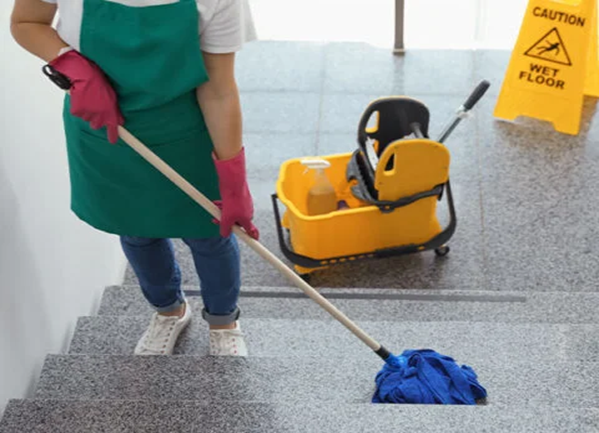
A lot of people think home improvement always means spending huge money on expensive furniture, fancy renovations, or modern decorations nobody really needs. In reality, small practical changes usually improve daily life much faster than oversized projects that drain savings for months. homeleon.net focuses on useful home ideas that actually help people create cleaner, calmer, and more functional living spaces without making everything feel overly designed or unrealistic.
Simple Walls Look Better
Walls affect the mood inside a home more than most homeowners notice at first. Dark or dull colors can make rooms feel crowded very quickly, especially when natural light already feels limited during daytime hours. Lighter shades usually create a more open atmosphere without requiring structural changes or expensive redesign work.
Paint quality matters too. Cheap paint often leaves uneven surfaces and starts looking worn much sooner than expected. Matte finishes work nicely in bedrooms and living rooms because they soften reflections and hide minor imperfections better than glossy coatings.
Wall decorations should not completely cover every empty space available. Too many frames or shelves can make rooms feel visually exhausting after a while. One large artwork or a few balanced pieces often create a cleaner appearance overall.
Textured wall panels became popular recently, though not every room benefits from them. Sometimes simplicity works better than trying too hard to follow internet design trends that disappear after one season.
Furniture Placement Changes Everything
Many homes feel uncomfortable because furniture blocks movement and creates awkward layouts people stop noticing over time. Rearranging existing furniture sometimes improves comfort more than buying expensive new items immediately.
Large sofas pushed against walls do not always create the best room flow. Pulling seating slightly inward can make spaces feel more connected and balanced naturally. Coffee tables also need enough walking room around them. Tight spaces create daily frustration people rarely recognize consciously.
Television placement deserves careful thought too. Screens mounted too high often cause neck strain during long viewing sessions. Eye-level positioning usually feels more comfortable and natural for regular use.
Small homes benefit from lightweight furniture that moves easily when needed. Heavy oversized pieces can dominate rooms and reduce flexibility during cleaning or gatherings. Multi-purpose furniture also saves space without sacrificing practicality.
Sometimes removing unnecessary furniture improves rooms faster than adding more decorative pieces nobody truly uses.
Natural Light Feels Important
Natural light changes how people experience their homes every single day. Rooms with better sunlight often feel cleaner, larger, and more welcoming even without expensive decorations or renovations happening.
Heavy curtains block useful daylight unnecessarily in many homes. Sheer fabrics or lighter blinds usually allow enough privacy while keeping spaces brighter during daytime hours. Mirrors can also reflect sunlight deeper into rooms when positioned carefully.
Dirty windows reduce brightness more than expected. Regular cleaning helps maximize available light while improving outdoor views at the same time. Small details like this rarely get much attention, though they noticeably affect indoor atmosphere.
Artificial lighting still matters after sunset. Warm bulbs generally create more relaxing spaces than harsh white lighting commonly used in older homes. Combining floor lamps, table lamps, and softer overhead fixtures creates a more comfortable environment overall.
Natural light also affects mood and productivity quietly throughout the day. Bright spaces often feel less draining mentally during long work hours at home.
Kitchen Clutter Creates Stress
Kitchen organization influences daily routines heavily because people constantly move through these spaces multiple times every single day. Cluttered counters and crowded cabinets slowly create frustration without homeowners fully realizing why the room feels stressful.
Unused appliances take up surprising amounts of space. Keeping only regularly used items visible makes kitchens feel cleaner and easier to manage immediately. Drawer organizers also prevent utensils and tools from becoming chaotic piles over time.
Open shelving looks attractive online, though it requires consistent organization to avoid visual clutter. Closed cabinets often work better for busy households where perfect styling never realistically lasts longer than two days.
Food storage matters too. Clear containers help people see ingredients faster while reducing waste from forgotten items hidden deep inside pantries. Labeling systems sound boring initially, though they save time constantly afterward.
A kitchen does not need luxury finishes to feel functional. Better organization usually creates bigger improvements than decorative upgrades alone.
Floors Need Practical Thinking
Flooring choices affect comfort, maintenance, and even noise levels throughout a home. Some beautiful materials become frustrating very quickly once daily wear starts showing everywhere after regular use.
Hardwood floors remain popular because they feel timeless and durable when maintained properly. Still, they scratch easily in homes with pets, children, or heavy furniture movement. Luxury vinyl became more common because it handles moisture and damage more effectively.
Rugs soften rooms visually while reducing echo and footstep noise. They also help define separate areas inside open floor plans without adding physical dividers. Choosing washable rugs usually saves effort later, especially in high-traffic spaces.
Cold flooring feels uncomfortable during winter months in many homes. Layered rugs or insulated underlayment can improve warmth without requiring complete replacement projects.
Glossy floors may look polished initially, but they often show dust, scratches, and footprints constantly. Matte finishes usually feel easier to maintain long term.
Storage Should Feel Easy
Storage systems fail when they become too complicated for normal everyday habits. People stop using difficult organizational systems surprisingly fast, even after spending money setting them up carefully.
Hooks near entrances help reduce clutter from bags, keys, and jackets immediately. Small practical additions like this improve routines without major renovations or expensive purchases involved.
Vertical shelving uses space more efficiently inside compact homes. Empty wall areas often provide storage opportunities people completely overlook while focusing only on floor space limitations.
Bedroom storage matters because clutter affects relaxation and sleep quality more than expected. Under-bed containers, slim dressers, and closet organizers help reduce visible mess naturally.
Many homeowners buy decorative baskets without solving the actual organization problem underneath. Systems should match real habits instead of looking perfect only in staged photographs online.
Hidden storage works especially well in smaller apartments where visual clutter builds quickly. Furniture with built-in compartments creates cleaner spaces without adding bulk.
Bathrooms Need Better Function
Bathrooms become uncomfortable very quickly when ventilation, storage, or lighting feels inadequate during daily routines. Small improvements often make these spaces feel more useful without requiring expensive full remodels.
Foggy mirrors and constant moisture usually signal poor airflow. Better exhaust fans reduce humidity while preventing mold and peeling paint from developing over time. Quiet models feel much less annoying during early mornings or late evenings.
Shower storage also matters more than people expect. Random bottles placed everywhere make bathrooms feel chaotic instantly. Simple shelves or recessed niches improve organization while freeing up usable space nearby.
Lighting should remain bright enough for grooming tasks without feeling harsh or clinical. Warm white bulbs generally create a more balanced atmosphere compared to overly blue-toned lighting.
Soft towels, proper hooks, and non-slip mats sound minor individually, though together they noticeably improve comfort every single day.
Bathrooms work best when practicality comes before decoration trends copied from luxury hotel photos.
Outdoor Areas Need Attention
Outdoor spaces often become neglected storage zones instead of relaxing extensions of the home itself. Even small balconies or patios can feel more inviting with simple practical changes that improve comfort naturally.
Comfortable seating matters first. Cheap plastic chairs usually become uncomfortable quickly, causing people to avoid spending time outside entirely. Cushioned seating and weather-resistant materials help spaces remain usable longer.
Shade improves outdoor comfort dramatically during warmer months. Umbrellas, pergolas, or fabric covers prevent excessive heat while protecting furniture from constant sun exposure too.
Plants soften harsh outdoor spaces without requiring complicated landscaping projects. Container gardening works especially well for smaller areas where permanent garden beds are impossible.
Lighting outside should remain subtle instead of overpowering. Soft pathway lights or warm string lighting create a calmer atmosphere during evenings compared to bright floodlights that feel overly harsh.
Outdoor spaces do not need perfect styling. They simply need to feel comfortable enough for regular use.
Technology Can Help Daily
Modern home technology becomes useful only when it simplifies routines instead of creating extra frustration constantly. Some smart devices genuinely improve convenience, while others mostly add unnecessary complexity people eventually stop using.
Smart thermostats remain one of the more practical upgrades available today. Automated temperature control improves comfort while helping reduce energy costs gradually over time.
Wireless charging stations reduce cable clutter around bedrooms and desks noticeably. Small conveniences like this improve organization without demanding large investments or complicated installations.
Home security devices also became easier to use recently. Video doorbells and smart locks provide extra awareness while remaining accessible through simple mobile apps.
Still, too many connected devices can create maintenance headaches later. Software updates, weak signals, and compatibility issues sometimes become surprisingly annoying after initial excitement fades away.
Technology should support the home quietly instead of dominating every room unnecessarily.
Cleaning Habits Affect Comfort
A home feels very different when regular cleaning becomes manageable instead of overwhelming every weekend. Practical cleaning systems usually work better than unrealistic deep-cleaning routines impossible to maintain consistently.
Daily surface cleaning prevents clutter and dust from building into larger problems later. Small regular habits save more effort compared to occasional marathon cleaning sessions that exhaust everyone involved.
Storage placement affects cleaning ease heavily. Furniture raised slightly off the floor allows easier vacuuming and reduces dust accumulation underneath. Washable materials also simplify maintenance significantly over time.
Air quality improves with regular cleaning too. Dust, pet hair, and trapped moisture slowly affect indoor comfort without people always noticing immediately.
Natural cleaning products gained popularity recently, though effectiveness still matters more than trendy packaging or online marketing claims. Reliable products that work consistently usually provide the best long-term results.
Clean homes do not need perfection. They simply need systems realistic enough for everyday life.
Bedrooms Should Feel Calm
Bedrooms often become accidental storage areas filled with unnecessary distractions and visual clutter. This affects sleep quality more than many people expect initially.
Soft lighting works better in bedrooms compared to bright overhead fixtures alone. Bedside lamps and warm-toned bulbs create more relaxing nighttime environments naturally.
Bedding quality matters because people spend huge portions of life sleeping. Breathable fabrics usually improve comfort more than decorative pillow collections nobody actually uses regularly.
Electronics inside bedrooms create mixed results. Some people enjoy televisions or workstations nearby, while others sleep much better after removing constant screen exposure entirely.
Color choices also influence how restful rooms feel during evenings. Softer tones generally create calmer spaces compared to overly bold combinations that feel stimulating late at night.
A comfortable bedroom supports rest first before trying to impress visitors who barely spend time there anyway.
Small Changes Matter Most
Many homeowners delay improvements because they imagine every project requires massive budgets and complicated renovations. Usually the opposite becomes true. Small upgrades often create immediate comfort improvements without causing financial stress or endless construction messes.
Replacing outdated lighting, improving storage, rearranging furniture, or adding better ventilation can noticeably improve daily life faster than oversized remodeling plans stretching across months.
Practical thinking matters more than following every design trend online. Homes should support the people living inside them instead of functioning like display rooms made only for photographs.
Comfort grows gradually through thoughtful decisions repeated over time. Better organization, cleaner layouts, reliable maintenance, and functional upgrades all contribute more than expensive decorative purchases alone.
Visit HomeLeon for more practical home improvement ideas, realistic design inspiration, and simple solutions that help create more comfortable living spaces without unnecessary complications.
Read also :-
