

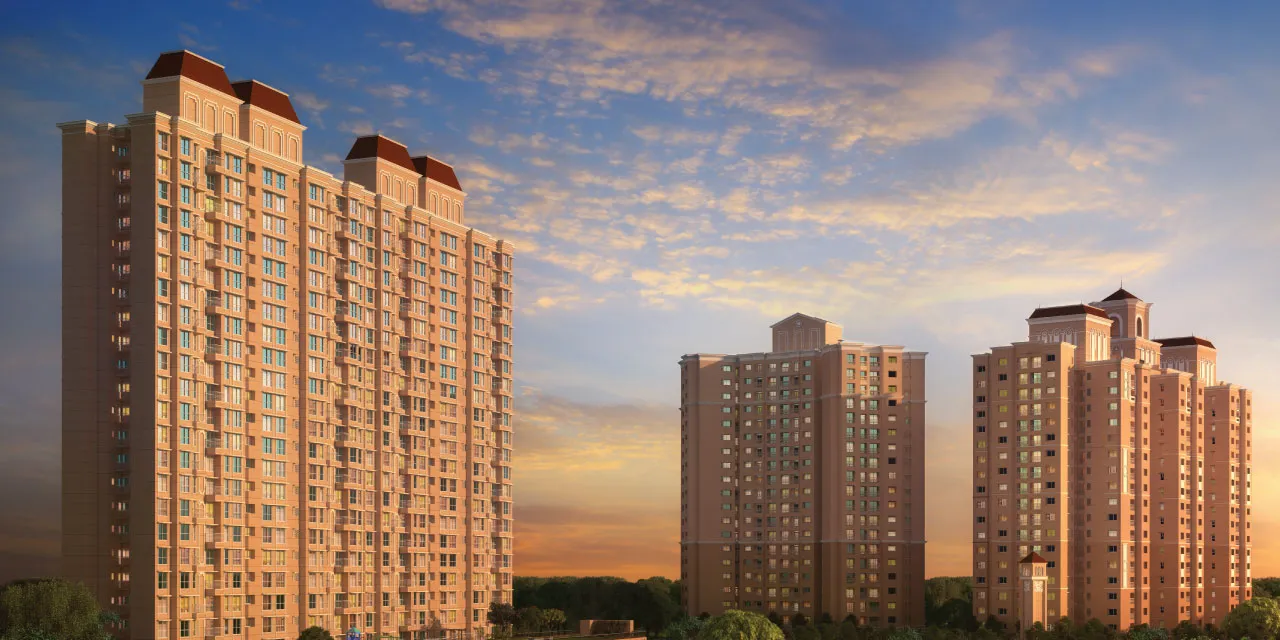
Affordable housing projects are more than just construction initiatives; they represent hope, stability, and opportunity for millions of families worldwide. When thoughtfully designed, these projects not only provide shelter but also create thriving communities where people can live with dignity and security.
The Importance of Affordable Housing
Housing is a basic human need, yet for many, owning or renting a safe and comfortable home remains out of reach. Rising property prices and urban migration have made affordable housing essential. These projects bridge the gap by offering homes that balance cost, quality, and accessibility.
Affordable Housing Projects: Building Dreams for Families
Imagine a young couple starting their life together. Without access to affordable housing, they might struggle with high rents or unsafe living conditions. With affordable housing projects, they can secure a home that fits their budget while enjoying modern amenities. This stability allows them to focus on building their future rather than worrying about shelter.
Affordable Housing Projects: Sustainable Design
Modern housing initiatives emphasize sustainability. Developers are incorporating eco-friendly materials, energy-efficient systems, and green spaces. These features not only reduce environmental impact but also lower utility costs for residents. A project with solar panels, rainwater harvesting, and landscaped gardens demonstrates how affordability and sustainability can coexist.
Community-Centered Development
Affordable housing is not just about individual homes; it’s about creating communities. Projects often include shared spaces like playgrounds, community halls, and fitness centers. These areas encourage social interaction and foster a sense of belonging. For example, a housing project with a central park becomes a hub where families gather, children play, and neighbors connect.
Affordable Housing Projects: Urban Renewal
In many cities, affordable housing initiatives are revitalizing neglected neighborhoods. By replacing dilapidated structures with modern housing, these projects breathe new life into urban areas. Residents benefit from improved infrastructure, while cities gain safer, more attractive districts.
The Role of Government and Policy
Governments play a crucial role in supporting affordable housing. Policies such as subsidies, tax incentives, and land grants make it possible for developers to build cost-effective homes. Public-private partnerships often lead to successful projects that balance profitability with social responsibility.
Affordable Housing Projects: Real-Life Success Stories
Consider a housing project in a growing metropolitan area. Families who once lived in overcrowded apartments now enjoy spacious homes with access to schools, healthcare, and public transport. These success stories highlight how affordable housing transforms lives, offering stability and opportunity.
Technology in Affordable Housing
Innovation is reshaping housing development. Prefabricated construction, modular designs, and smart home technology are making projects faster, cheaper, and more efficient. A modular housing project, for instance, can be completed in months rather than years, reducing costs while maintaining quality.
Affordable Housing Projects: Inclusivity and Diversity
Affordable housing initiatives often prioritize inclusivity, ensuring homes are accessible to people from diverse backgrounds. Projects may include units designed for seniors, differently-abled individuals, or low-income families. This inclusivity strengthens communities by bringing together people from all walks of life.
The Emotional Impact of Affordable Housing
Beyond bricks and mortar, affordable housing provides emotional security. Families feel pride in owning a home, children grow up in stable environments, and communities thrive. The sense of belonging and safety that comes with affordable housing cannot be overstated.
Affordable Housing Projects: Rural Opportunities
While urban areas often dominate discussions, rural affordable housing is equally important. Projects in smaller towns provide opportunities for families to stay close to their roots while enjoying modern living standards. These initiatives also support local economies by creating jobs and boosting demand for services.
Challenges in Affordable Housing
Despite progress, challenges remain. Land scarcity, rising construction costs, and bureaucratic hurdles can slow development. However, innovative solutions and strong policy support continue to drive the sector forward. Developers who embrace creativity and sustainability often overcome these obstacles.
Affordable Housing Projects: Future Outlook
The future of affordable housing looks promising. With growing awareness, technological advancements, and government support, more families will gain access to quality homes. Projects that integrate sustainability, inclusivity, and community focus will set new benchmarks for housing development.
Storytelling Through Affordable Housing
Every project tells a story. It might be about a single mother finding stability, a retired couple enjoying their golden years, or children growing up in safe neighborhoods. These stories remind us that affordable housing is not just about buildings—it’s about people and their dreams.
