

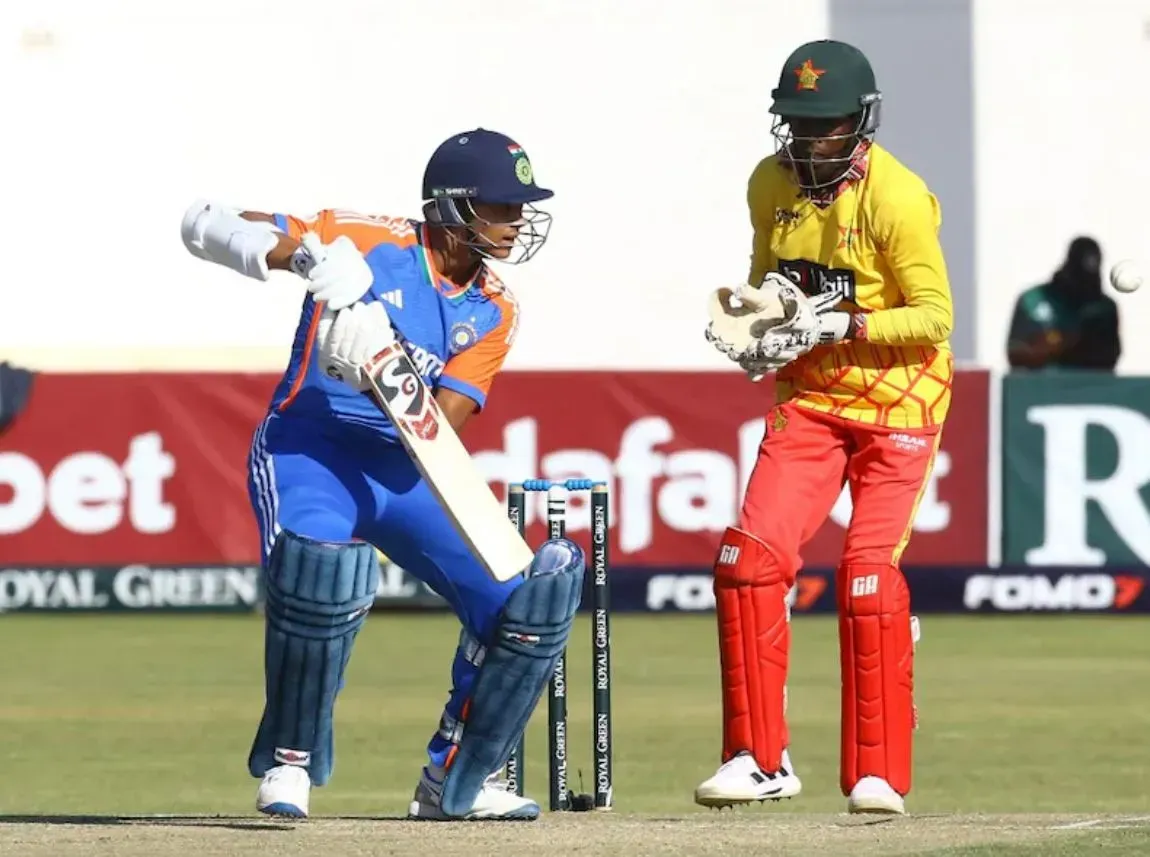
Powerplay strike rate has become one of the most defining metrics in modern cricket. In the first six overs of a limited-overs match, teams have the chance to set the tone, and the strike rate during this phase often determines whether they dominate or struggle. Fans love the thrill of boundaries flying early, while analysts dissect every ball to understand how effectively batters use the fielding restrictions.
Picture a T20 game where the opening pair smashes 60 runs in the Powerplay. The crowd roars, momentum shifts, and suddenly the opposition is under immense pressure. That’s the magic of the Powerplay strike rate—it’s not just about numbers, it’s about energy, confidence, and the psychological edge.
What is Powerplay Strike Rate?
The Powerplay strike rate refers to the average number of runs scored per 100 balls faced during the Powerplay overs. Since only two fielders are allowed outside the 30-yard circle, batters have a golden opportunity to accelerate. Teams that maximize this phase often end up with match-winning totals.
It’s a measure of intent. A high strike rate signals aggression and dominance, while a low one suggests caution or missed opportunities. Coaches and captains closely monitor this metric to refine strategies.
Why the Powerplay Strike Rate Matters
The Powerplay strike rate matters because it sets the foundation for the rest of the innings. In T20 cricket, where every ball counts, a strong start can relieve middle-order batters from pressure. In ODIs, it can establish momentum that carries into the middle overs.
For example, when India’s openers consistently maintain a strike rate above 150 in the Powerplay, the team often posts massive totals. Conversely, if the strike rate dips below 100, the middle order is forced to take risks, increasing chances of collapse.
Powerplay Strike Rate in Real-Life Matches
Think back to the 2016 World T20, when West Indies openers used the Powerplay strike rate to devastating effect. Their aggressive batting left opponents scrambling, and those explosive starts were key to their championship run. Similarly, in the IPL, teams like Chennai Super Kings and Mumbai Indians have often relied on strong Powerplay performances to build momentum.
Fans remember those moments when a batter smashes three boundaries in an over, lifting the strike rate and electrifying the stadium. These bursts of energy often decide the outcome of tight matches.
Benefits of a High Powerplay Strike Rate
The Powerplay strike rate offers several advantages that go beyond just scoring runs:
Momentum Building
A high strike rate energizes the team and puts the opposition under pressure immediately.
Field Exploitation
With fewer fielders outside the circle, batters can target gaps and maximize scoring opportunities.
Psychological Advantage
Teams with strong Powerplay performances often intimidate opponents, forcing bowlers into defensive tactics.
Challenges of Maintaining Powerplay Strike Rate
While the Powerplay strike rate is crucial, it’s not easy to maintain. Bowlers know batters will attack, so they use variations, yorkers, and slower balls to counter aggression. Risk-taking can also lead to early wickets, which may derail the innings.
For instance, a batter aiming for a strike rate of 180 might attempt risky shots, increasing the chance of dismissal. Teams must balance aggression with smart shot selection to avoid collapses.
Powerplay Strike Rate Across Formats
The Powerplay strike rate plays different roles in T20s and ODIs. In T20s, it’s about explosive starts, often aiming for 50+ runs in six overs. In ODIs, it’s more about building a platform while still taking advantage of field restrictions.
Test cricket doesn’t have Powerplays, but the concept of strike rate in the opening overs still matters. Aggressive starts can unsettle bowlers and set the tone for the innings.
The Future of Powerplay Strike Rate
As cricket evolves, the Powerplay strike rate will continue to be a critical metric. With innovations like data analytics and AI-driven strategies, teams are finding new ways to optimize batting during Powerplays. Coaches now analyze patterns of bowlers, field placements, and batter strengths to maximize strike rates.
Future leagues may even introduce new rules to make Powerplays more exciting, further emphasizing the importance of strike rate in this phase.
Powerplay Strike Rate and Fan Engagement
Fans love the drama of the Powerplay strike rate. Stadiums erupt when openers hit boundaries, and social media buzzes with discussions about strike rates. Broadcasters highlight these numbers during live matches, making them part of the entertainment experience.
For fans, it’s not just about statistics—it’s about the thrill of watching batters dominate early and set the stage for unforgettable matches.
Powerplay Strike Rate as a Reflection of Modern Cricket
Ultimately, the Powerplay strike rate reflects how cricket has transformed into a fast-paced, entertainment-driven sport. It embodies aggression, strategy, and excitement. Teams that master this phase often find themselves ahead in the game, proving that strike rate in the Powerplay is more than just a number—it’s a weapon.
sri lanka national cricket team vs australian men’s cricket team timeline
zimbabwe national cricket team vs afghanistan national cricket team match scorecard
pakistan national cricket team vs south africa national cricket team timeline
south africa national cricket team vs zimbabwe national cricket team match scorecard
ireland cricket team vs zimbabwe national cricket team timeline
